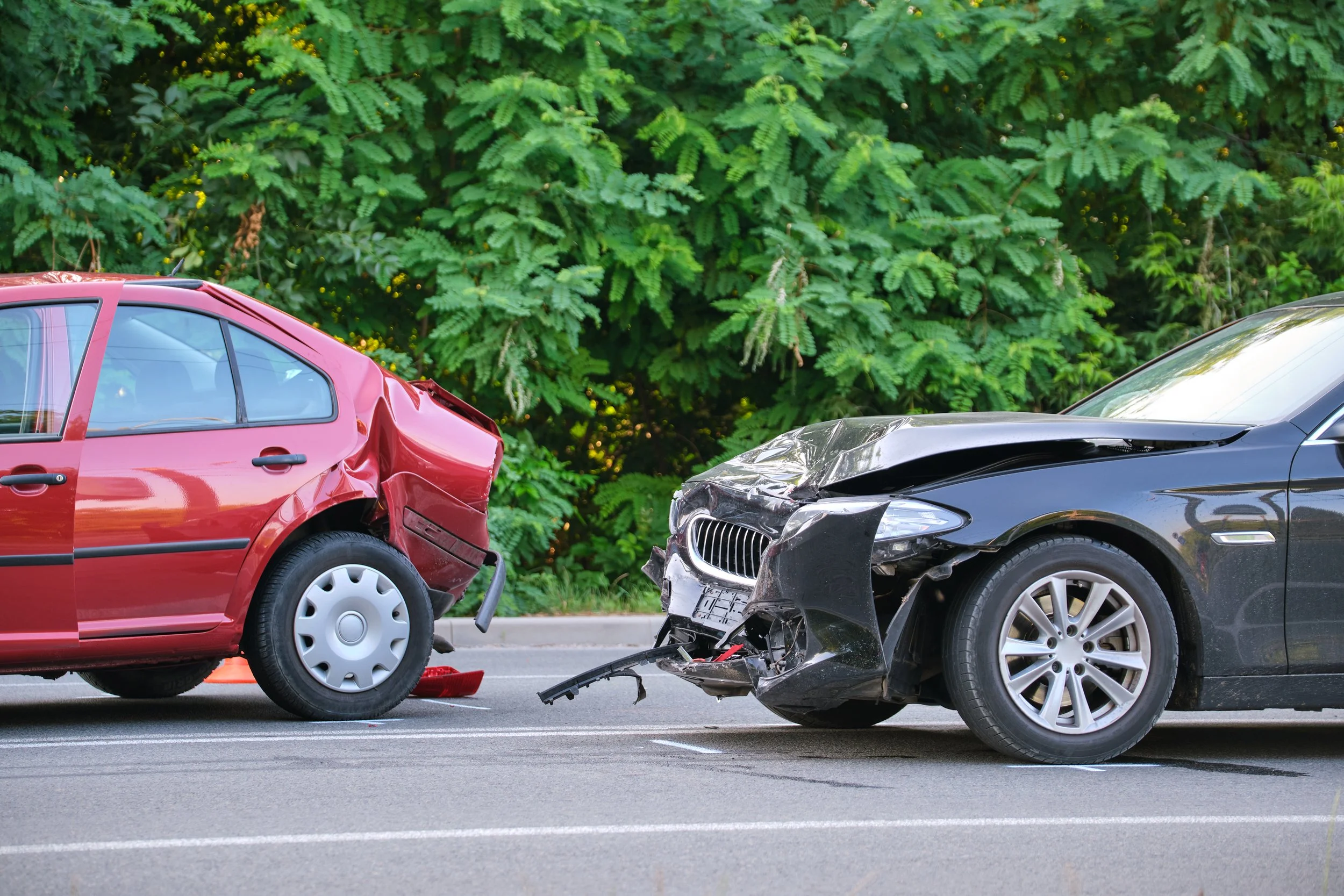
Been in a car accident in Kansas City? Learn the critical steps to protect your health, your rights, and your personal injury claim. Free consultation available. Call (816) 200-0467.
Anthony Moreno, Kansas City Personal Injury Attorney: One of the biggest mistakes I see car accident victims make is assuming their injuries are minor and skipping medical evaluation. I have represented clients who felt fine at the scene only to discover herniated discs, traumatic brain injuries, or internal bleeding days later. The other critical error is talking to the other driver's insurance company before consulting a lawyer. Adjusters are friendly and helpful on the phone, but their job is to minimize what the company pays — not to make sure you receive what your case is truly worth. If you've been in a car accident in Kansas City, protect yourself by getting medical attention first and legal advice second.
If you've been in a car accident in Kansas City, the decisions you make in the minutes, hours, and days afterward can dramatically affect your health, your legal rights, and your ability to recover compensation. Kansas City sees thousands of car crashes every year — in 2024 alone, there were more than 4,600 collisions resulting in over 8,700 injuries and 96 fatalities. Whether your accident happened on I-70, I-435, or at one of the city's many dangerous intersections, knowing what steps to take can make the difference between a strong personal injury claim and a missed opportunity for justice.
Your immediate priority after any car accident is safety. Check yourself and your passengers for injuries before doing anything else. If anyone is hurt, call 911 immediately — even injuries that seem minor can become serious complications later.
If your vehicle is drivable and you can move safely, pull to the shoulder or a nearby parking lot to avoid blocking traffic and reducing the risk of a secondary collision. Turn on your hazard lights to alert other drivers. If the vehicle cannot be moved or someone is seriously injured, stay in your vehicle with your seatbelt fastened until emergency responders arrive, unless remaining in the car creates an immediate danger such as fire or an unstable vehicle position.
Always call 911 after a car accident in Kansas City, even if the crash seems minor. Under Missouri law, accidents involving injury, death, or property damage exceeding $500 must be reported. A police report creates an official record of the accident that becomes critical evidence for any insurance claim or personal injury lawsuit.
When officers arrive, provide factual information about what happened. Stick to the facts — describe what you saw and experienced without speculating about fault or admitting responsibility. Statements like "I didn't see you" or "I'm sorry" can be used against you later by insurance adjusters looking for reasons to reduce your claim. Ask the responding officer for the report number and the police department where you can obtain a copy.
If you are physically able, thorough documentation at the accident scene can significantly strengthen your case. Use your phone to capture the following:
Vehicle damage from multiple angles, including close-ups of impact points and wide shots showing the positions of all vehicles involved. Photograph damage to every vehicle, not just yours.
The accident scene including traffic signals, stop signs, road conditions, lane markings, skid marks, debris, and weather conditions. These details can help accident reconstruction experts determine fault.
Other driver information including their driver's license, license plate, insurance card, and vehicle registration. Exchange names, phone numbers, and insurance details with every driver involved.
Witness information from anyone who saw the accident. Get their names and phone numbers. Independent witness testimony can be invaluable when insurance companies dispute liability.
Visit an emergency room, urgent care, or your primary care physician as soon as possible after the accident — ideally within 24 to 48 hours, even if you feel fine. Many common car accident injuries, including whiplash, concussions, internal bleeding, and soft tissue damage, may not produce noticeable symptoms for hours or even days after impact.
Prompt medical evaluation accomplishes two things: it protects your health by identifying injuries that could worsen without treatment, and it creates a medical record linking your injuries directly to the accident. Insurance companies routinely argue that gaps between the accident and medical treatment mean the injuries were not caused by the crash or are not serious. Don't give them that opening.
Follow all treatment recommendations from your healthcare providers, attend every scheduled appointment, and keep detailed records of all medical visits, prescriptions, and out-of-pocket expenses related to your injuries.
Report the accident to your own insurance company promptly. Most policies require timely notification, and failing to report within the required timeframe could jeopardize your coverage. When you call, provide basic facts about the accident — the date, time, location, and other parties involved — but avoid giving a recorded statement or speculating about fault until you have spoken with an attorney.
Important: do not accept a settlement offer from the other driver's insurance company without legal advice. Early settlement offers are almost always far below the true value of your claim. Insurance adjusters are trained to resolve claims quickly and cheaply, often before you understand the full extent of your injuries and financial losses.
Missouri law provides several important protections for car accident victims that every Kansas City driver should understand:
Missouri is an at-fault state. The driver who caused the crash is responsible for paying damages through their insurance or through a lawsuit. Unlike no-fault states, Missouri allows injured drivers to pursue claims directly against the at-fault driver's insurance or file a personal injury lawsuit.
Pure comparative fault applies. Under Missouri's pure comparative fault rule, you can recover compensation even if you were partially at fault for the accident. However, your recovery is reduced by your percentage of fault. For example, if you suffered $100,000 in damages but were found 20% at fault, you could still recover $80,000. Insurance companies frequently try to inflate your fault percentage to reduce what they owe — having an experienced attorney protects against this tactic.
The statute of limitations is five years. Missouri Revised Statute Section 516.120 gives you five years from the date of the accident to file a personal injury or property damage lawsuit. If the accident resulted in a wrongful death, that deadline shortens to three years. While five years may sound generous, evidence deteriorates quickly — surveillance footage is deleted, witnesses move away, and memories fade. Starting the legal process early puts you in a much stronger position.
Compensation in a car accident case covers more than just medical bills. To maximize your recovery, track every financial impact the accident has on your life:
Medical expenses including emergency room visits, surgeries, physical therapy, prescription medications, medical equipment, and future anticipated treatment costs.
Lost wages from missed work during recovery. If your injuries reduce your earning capacity long-term, that future income loss is also compensable.
Property damage including vehicle repair or replacement costs, damaged personal property, and rental car expenses while your vehicle is being repaired.
Pain and suffering which includes physical pain, emotional distress, anxiety, depression, loss of enjoyment of life, and the impact on your daily activities and relationships.
Keep a daily journal documenting your pain levels, limitations, emotional state, and how the accident has affected your routine. This contemporaneous record becomes powerful evidence of your non-economic damages.
In the aftermath of a car accident, even well-intentioned actions can undermine your claim. Here are critical mistakes to avoid:
Do not post about the accident on social media. Insurance companies actively monitor claimants' social media accounts. A photo of you smiling at a family event or a post about weekend activities can be taken out of context and used to argue your injuries are not as serious as claimed. The safest approach is to avoid posting entirely until your case is resolved.
Do not give a recorded statement to the other driver's insurance company without first consulting an attorney. These recorded conversations are designed to get you to say something that can be used to minimize or deny your claim.
Do not sign any documents or accept any payment from the other driver's insurance company without legal review. Quick settlement checks often come with release forms that permanently waive your right to seek additional compensation, even if your injuries turn out to be far worse than initially expected.
Do not skip medical appointments or stop treatment early. Insurance adjusters will use gaps in your medical treatment to argue that your injuries have healed or were never that serious.
Certain Kansas City roadways consistently produce more accidents than others. If your crash occurred on one of these high-risk corridors, understanding the area's accident history can support your case:
I-70 and I-435 are among the most heavily trafficked highways in the metro area and see frequent rear-end collisions and multi-vehicle pileups, especially during rush hour and adverse weather conditions.
Emanuel Cleaver II Boulevard has been identified as one of Kansas City's deadliest roads, with the city implementing safety improvements including new traffic signals and pedestrian infrastructure.
Prospect Avenue, Troost Avenue, and Independence Avenue are among the streets that account for a disproportionate share of traffic fatalities in Kansas City, particularly pedestrian-involved crashes.
The City of Kansas City's Vision Zero initiative aims to eliminate traffic fatalities entirely by 2030, but dangerous road conditions and design remain a contributing factor in many serious accidents. If poor road design, inadequate signage, or dangerous intersection conditions contributed to your crash, additional parties beyond the other driver may share liability for your injuries.
While not every fender-bender requires an attorney, you should strongly consider legal representation if any of the following apply to your situation:
You suffered injuries requiring medical treatment beyond a single doctor's visit. You missed work due to your injuries. The insurance company is disputing liability or offering a low settlement. Multiple vehicles or parties were involved. The accident involved a commercial vehicle, rideshare driver, or government entity. You are being contacted by the other driver's attorney or insurance adjuster. Your injuries may require ongoing or future medical care.
Personal injury attorneys who handle car accident cases on a contingency fee basis — meaning you pay nothing unless they recover compensation for you — can evaluate your case, handle all communication with insurance companies, and fight for the full value of your claim while you focus on recovering from your injuries.